After three years of intensive collaboration, the energy data-X innovation project, which focused on establishing a secure, sovereign, and decentralized data ecosystem for the energy sector, is coming to an end.
As the number of decentralized generation systems, prosumers, and flexible consumers continues to grow, coordinating the various stakeholders and processes within the energy system is becoming increasingly complex. Up-to-date and reliable data, as well as efficient data exchange, are therefore becoming ever more important. This is where energy data-X comes in: the innovation project creates a shared, Gaia-X-compliant data ecosystem for the German energy sector. Within this ecosystem, data remains decentralized with its owners, while they retain control over how it is made available and exchanged according to defined rules. At the same time, the ecosystem enables standardized data exchange within the energy sector and with adjacent sectors. This lays the foundation for efficient energy-sector processes and innovative, data-driven business models that support the transformation of the energy system and contribute to achieving German and European energy and climate targets.
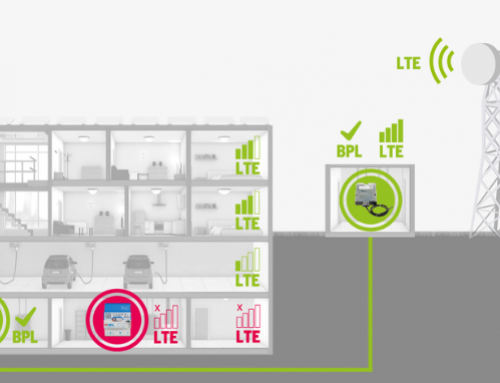
A key contribution by PPC was the integration of the intelligent metering system (iMSys) infrastructure, which is currently being rolled out, into the architecture of the data ecosystem as a digital and highly secure communication platform. Data from the Smart Meter Gateway (SMGW) serves as a key source of information. This data can, for example, be used to optimize existing processes such as balancing group management or as a basis for new business models. The aim is to make this information available to authorized stakeholders while ensuring compliance with data protection requirements.
Simplifying balancing group management and enabling greater flexibility in the event of deviations
Using a prototype data ecosystem, the “Balancing Group Management Quality” and “FleX” use cases demonstrated how energy-sector data can be utilized. The “Balancing Group Management Quality” use case enables balancing responsible parties to determine the status of their balancing group in near real time and to better align feed-in and consumption through more accurate forecasts. In combination with “FleX,” short-term flexibility can also be activated, thereby reducing deviations within the balancing group. This can lower the need for balancing energy, reducing both costs and CO₂ emissions.
New developments for TAF 7
As part of multi-stage laboratory and field tests conducted at Fraunhofer IEE, various use cases were successfully tested. One of the project’s achievements was the ad hoc transmission of 15-minute TAF 7 data from the SMGW to the metering point operator (MSB), followed by its provision to authorized stakeholders via the data ecosystem.
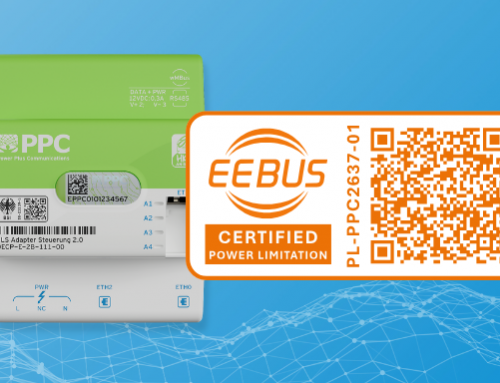
In addition, an EEBUS-enabled heat pump was successfully controlled via the PPC CLS Adapter Steuerung as part of the developed “Flexabrufprüfung” (flexibility activation verification). This enables balancing responsible parties to trace the requested flexibility using the provided measurement and control data and to verify that the requested flexibility was actually delivered as part of a proof-of-delivery process.
Finally, the project also implemented the collection of registered load profile metering data from a wind power installation via the SMGW. This demonstrates how data from larger generation assets can also be integrated into the ecosystem via the iMSys infrastructure and made available for further applications.
energy data-X demonstrates how energy-sector data can be provided securely and in a standardized manner and used for both existing processes and new business models. Integrating the iMSys infrastructure provides an important technical foundation for this. Building on these results, the data ecosystem created as part of the innovation project is intended to be further developed and gradually scaled beyond the end of the project.
We would like to extend our sincere thanks to all project partners for their trust and successful collaboration.
The energy data-X innovation project was funded by the German Federal Ministry for Economic Affairs and Climate Action.