The energy transition is increasingly shifting to low-voltage grids: photovoltaics, electromobility, heat pumps, and home storage systems are driving up both feed-in and peak loads. This poses growing challenges for grid stability, but at the same time, the intelligent use of flexibility offers considerable economic potential.
A new position paper from the WARAN project network, which was also coordinated with the SISSY consortium (both projects are funded by the BMWE), shows how the existing infrastructure of the intelligent metering system (iMSys) can be developed from a primarily curative to a preventive, market-oriented control system. The focus here is on the concept of the Hüllkurve.
From ad hoc control to preventive flexibility management
Until now, grid-oriented control in low voltage has primarily been used as a last resort, for example via Section 14a of the German Energy Industry Act (EnWG) or Section 9 of the German Renewable Energy Sources Act (EEG). These instruments enable immediate power limitation in bottleneck situations.
The envelope curve starts earlier: it defines a power framework (maximum and optional minimum consumption or feed-in values) for future time intervals, within which an energy management system can optimize the connected systems. Technically, the concept is based on the EEBUS use case “Power Envelope (POEN)” and uses the standardized, cyber-secure infrastructure of smart meter gateways and control devices.
This makes iMSys a platform for proactive, coordinated flexibility utilization that is both grid- and market-oriented.
Added value for DSOs: predictability instead of intervention
The envelope curve gives distribution system operators the opportunity to address bottlenecks as early as the day-ahead horizon. Instead of short-term intervention, a forecast-based power limit can be communicated, which:
- Preventively avoids grid overloads
- Increases predictability in grid management
- Is taken into account in a binding manner in grid planning in the event of contractual arrangements (e.g., via flexible connection agreements)
The envelope curve is clearly prioritized below ad hoc emergency control – curative signals always take precedence. This creates transparency and traceability for all parties involved.
New options for suppliers and flexibility marketers
The iMSys also provides energy suppliers and aggregators with a scalable, standardized control path. The envelope curve can be used for:
- Schedule optimization on the spot market
- Physical balancing group management (in the future)
- Direct marketing of smaller generation plants
- System services such as minute reserve
The key advantage is that no proprietary additional hardware is required. Control is carried out via the metering point operator’s secure infrastructure, which is already in place. Against the backdrop of regulatory openings and growing flexibility markets, this creates an attractive playing field for new business models.
The role of the metering point operator: coordinator and conflict resolver
The metering point operator plays a key role as a neutral control administrator. It checks authorizations, processes control requests, and creates a so-called residual profile in the event of parallel requirements from the grid and the market.
This ensures that multiple envelopes are merged without conflict – with clear prioritization and transparent feedback to the market partners involved.
Our contribution to the industry discussion
The WARAN and SISSY projects involve key companies from a wide range of industries, which contribute their expertise to further develop control systems.
- EWE Netz and TMZ with their experience directly from the customer field, network and metering point operation
- KEO and EEBUS as innovators in digital control signal transmission
- BTC and Robotron as service providers in the energy industry for large-scale data processing and preparation
- Lumenaza as a SaaS provider with innovative end customer solutions
- Viessmann as an experienced expert in the heating industry for innovations in the heat pump sector and HEMS area
- FfE as the accompanying research institute for energy industry focal points
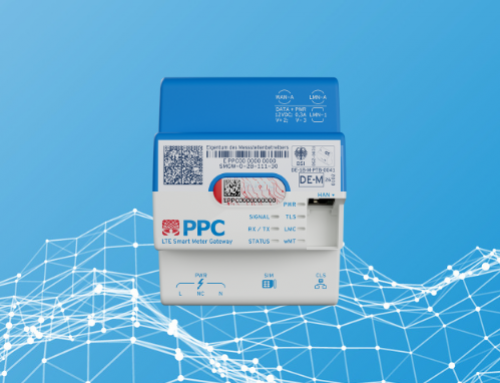
- PPC as the leading manufacturer of smart meter gateways in Germany
The discussion paper is intended as a technical contribution to the further development of iMSys-based control systems. It shows how technical standards, regulatory frameworks, and practical project experience can be brought together to make flexibility efficient, secure, and economically viable.
The envelope curve is thus more than just a technical detail: it is a building block for the system-friendly and market-integrated orchestration of household-related flexibility and a further step toward developing the smart meter gateway into the central sensor and control node in the grid.